Workforce Training
Programs
Build Skills for Life-Sustaining Careers
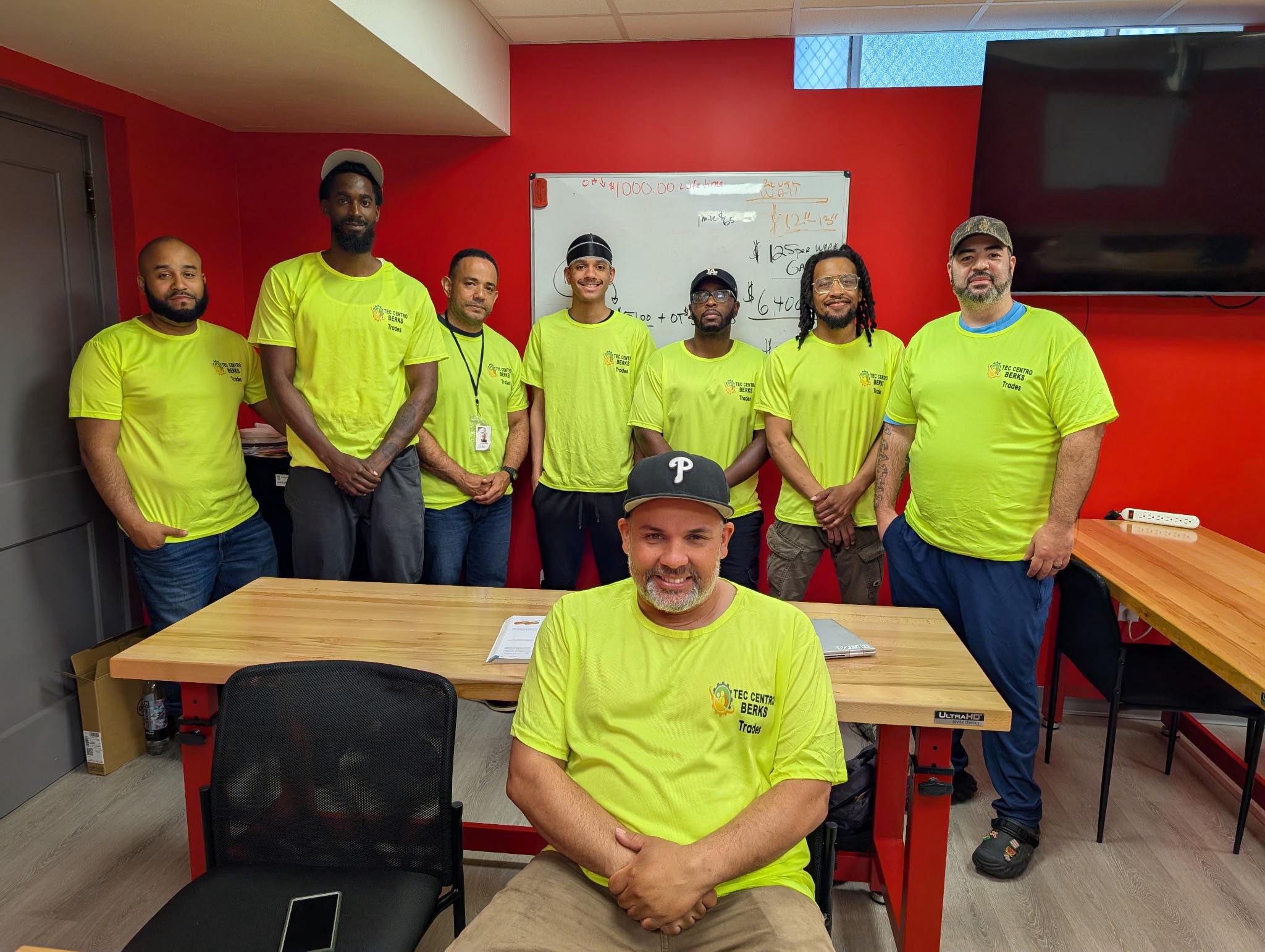
Tec Centro Berks’ Workforce Training programs help adults build practical skills, earn industry-recognized credentials, and prepare for entry-level careers in high-demand trades. These programs are designed for beginners and individuals with limited experience who are ready to learn, work hard, and take the next step toward stable employment.
Students receive hands-on instruction, lab-based learning, workplace readiness support, and Digital Literacy training as part of their program experience. Training focuses on real skills that prepare students for opportunities in the trades, facilities maintenance, transportation, logistics, and modern industrial work.
Interested in getting started? Call Tec Centro Berks at (484) 513-3348 to speak with a case worker and learn which program will be the right fit for you.
Who These Programs Are For
Tec Centro Berks’ Workforce Training programs are designed for adults who are ready to build skills for the workplace.
Students should be:
18 years of age or older
Interested in hands-on trade careers
Beginners or individuals with limited experience
Reliable and ready to attend training consistently
Willing to learn workplace safety, technical skills, and job readiness
Able to meet physical expectations common in the trades
A high school diploma or GED/HiSET will be needed for employment, but students will be able to work toward high school equivalency while participating in training. English Level 2 is recommended, and students will also participate in ESL while enrolled in workforce training.
Training Designed for Real-World Skills
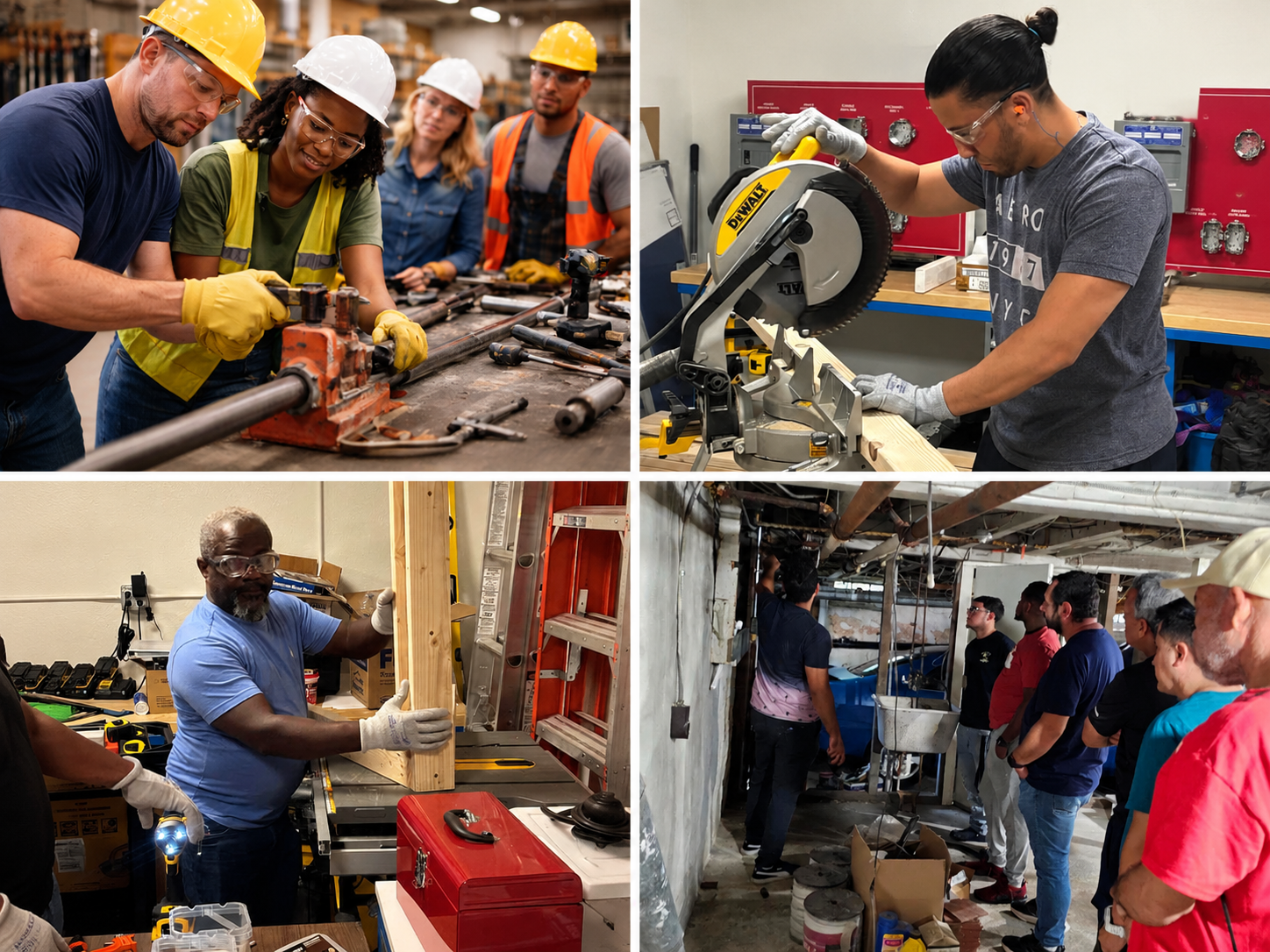
Workforce Training programs are designed to provide students with structured instruction, hands-on practice, and support as they prepare for entry-level employment.
Program details include:
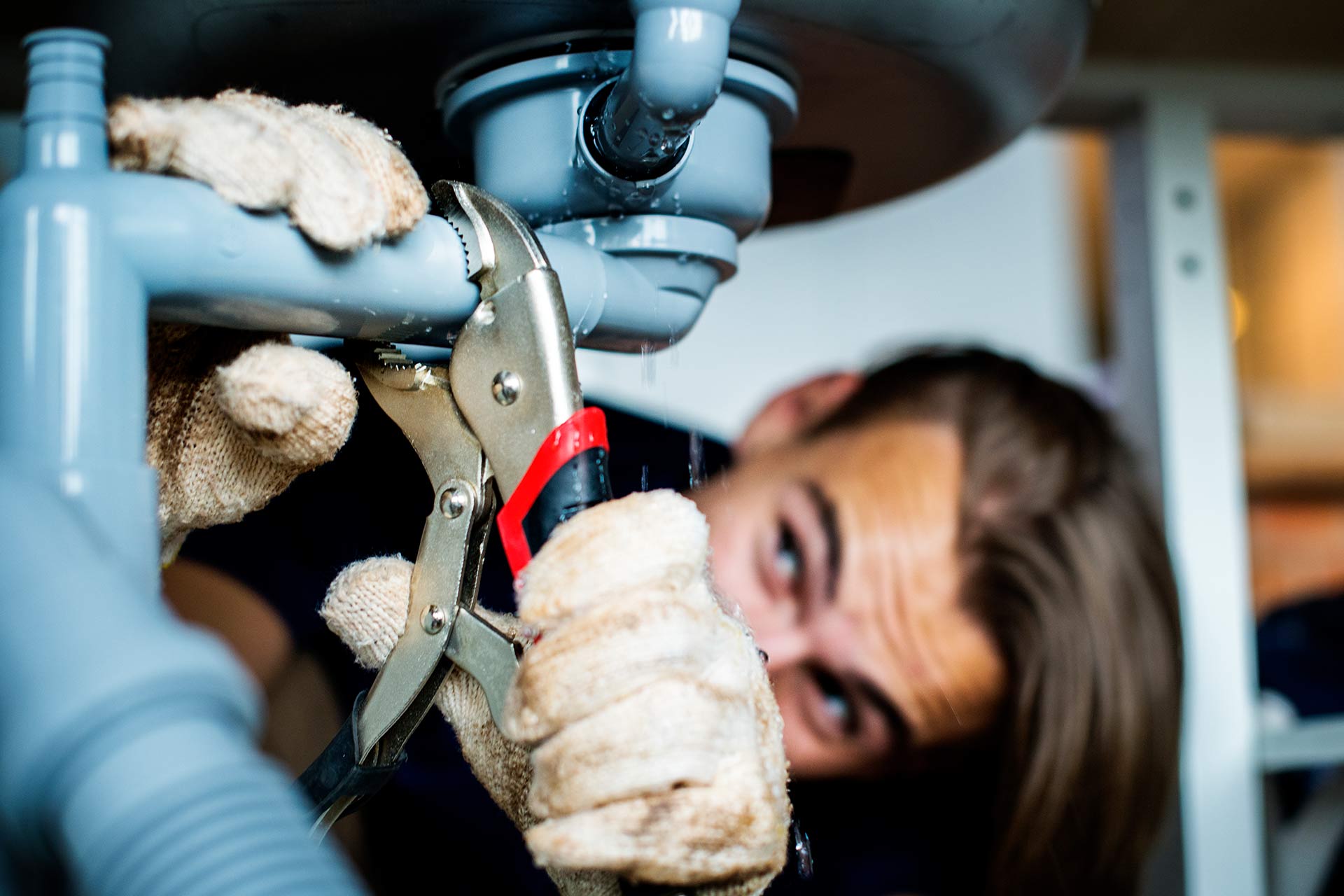
- Plumbing tools and materials
- Pipe systems and basic installation practices
- Repair and maintenance fundamentals
- Jobsite safety and workplace expectations
- Blueprint reading and measurement basics
- Hands-on trade skills for entry-level employment
Approximately 24 weeks of training
Monday through Friday schedule
Classes from 9:00 AM to 2:00 PM
Hands-on lab practice
Written and practical skill evaluations
Digital Literacy training included during the program
Worksite visits when available
Support connecting to employment opportunities
Training is offered at no cost to students, aside from the application fee.
Explore More Service
Start Your Future journey With us.
Plumbing
Prepare for Entry-Level Work in the Plumbing Trade
Career Pathways :
Graduates will be able to pursue entry-level opportunities with plumbing contractors, facilities departments, construction companies, maintenance teams, or apprenticeship pathways.
Credentials :
Trainings include industry-recognized credentials such as NCCER, OSHA, and Tec Centro-specific certifications, depending on the program track.
Students Learn:
Plumbing Tools and Materials
Learn how to identify, handle, and safely use common plumbing tools, materials, and fittings.
Pipe Systems
Understand basic pipe systems, water flow, drainage, and how plumbing systems are assembled.
Installation Practices
Build hands-on skills in basic plumbing installation, pipe connections, and system setup.
Repair and Maintenance
Learn how to identify common plumbing issues and perform basic repair and maintenance tasks.
Blueprint Reading
Develop basic skills in reading measurements, layouts, and trade-related plans.
Jobsite Safety
Practice workplace safety, tool safety, and professional expectations for plumbing and construction environments.
Facilities Maintenance
Learn the Practical Skills Needed to Maintain Buildings and Equipment
Career Pathways :
Graduates will be eligible to pursue entry-level roles such as facilities maintenance assistant, maintenance technician trainee, building maintenance worker, property maintenance assistant, or operations support staff.
Credentials :
Trainings include industry-recognized credentials such as NCCER, OSHA, and Tec Centro-specific certifications, depending on the program track.

Students Learn:
Building Maintenance
Learn the basic skills needed to support safe, clean, and functional buildings.
Tool Use and Safety
Practice safe use of common hand tools, power tools, and maintenance equipment.
Preventive Maintenance
Understand how routine inspections and upkeep help prevent larger building problems.
Basic Repairs
Develop practical skills for simple repairs, troubleshooting, and facility support tasks.
Workplace Documentation
Learn how to communicate maintenance needs, track work, and follow basic work order expectations.
Maintenance Readiness
Build the habits, reliability, and workplace skills needed for entry-level maintenance roles.
Forklift

Train for Safe Equipment Operation in Warehouse, Logistics, and Industrial Settings
Career Pathways :
Graduates will be able to pursue entry-level roles in warehousing, logistics, manufacturing, shipping and receiving, distribution, and material handling.
Credentials :
Students will receive Tec Centro or industry-aligned documentation of completed training, depending on the final program structure.
Students Learn:
Forklift Safety
Learn key safety practices for operating forklifts and working around powered equipment.
Equipment Inspection
Understand how to inspect equipment before use and identify basic safety concerns.
Material Handling
Practice safe methods for moving, loading, unloading, and organizing materials.
Warehouse Awareness
Learn how to navigate warehouse and jobsite environments safely and responsibly.
Safe Operation
Build basic equipment operation skills while following workplace safety expectations.
Loading and Movement
Practice procedures for moving materials, handling loads, and supporting warehouse operations.
CDL
Prepare for Commercial Driving Career Opportunities
Career Pathways :
Graduates will be able to pursue opportunities connected to commercial driving, transportation, logistics, delivery, and related industries.
Credentials :

Students Learn:
Commercial Driving Basics
Learn the foundational knowledge needed to prepare for commercial driving career pathways.
Road Safety
Understand safe driving practices, roadway awareness, and professional driver expectations.
Vehicle Awareness
Learn the basics of commercial vehicle inspection, safety checks, and vehicle responsibility.
Career Readiness
Build workplace habits such as reliability, communication, professionalism, and accountability.
Trip Planning
Understand basic trip planning, route awareness, and preparation for transportation work.
CDL Preparation
Receive support for CDL-related employment pathways, requirements, and next steps.
Industrial Control Technician (Electro Mechanical)

Build Skills for Modern Manufacturing, Automation, and Industrial Maintenance Careers
Students learn how modern production environments use sensors, control systems, automation, and data-informed tools to keep equipment running safely and efficiently.
Career Pathways :
Graduates will be able to pursue entry-level roles in industrial maintenance, manufacturing support, production equipment support, facilities maintenance, automation support, and technical trainee positions.
Credentials :
Students in the Industrial Control Technician program will work toward SACA, NCCER, and OSHA certifications.
Students Learn:
Electrical Systems
Learn the basics of electrical systems used in industrial and manufacturing environments.
Mechanical Systems
Understand mechanical components, equipment operation, and how systems work together.
Industrial Controls
Build foundational knowledge of control systems, automation, and production equipment.
Troubleshooting
Practice identifying equipment issues and learning how to approach repairs safely and logically.
Sensors and Monitoring
Learn how sensors, control panels, and system monitoring support modern equipment operation.
AI-Supported Maintenance
Explore how AI-supported tools and workplace technology can help identify issues and improve maintenance decisions.
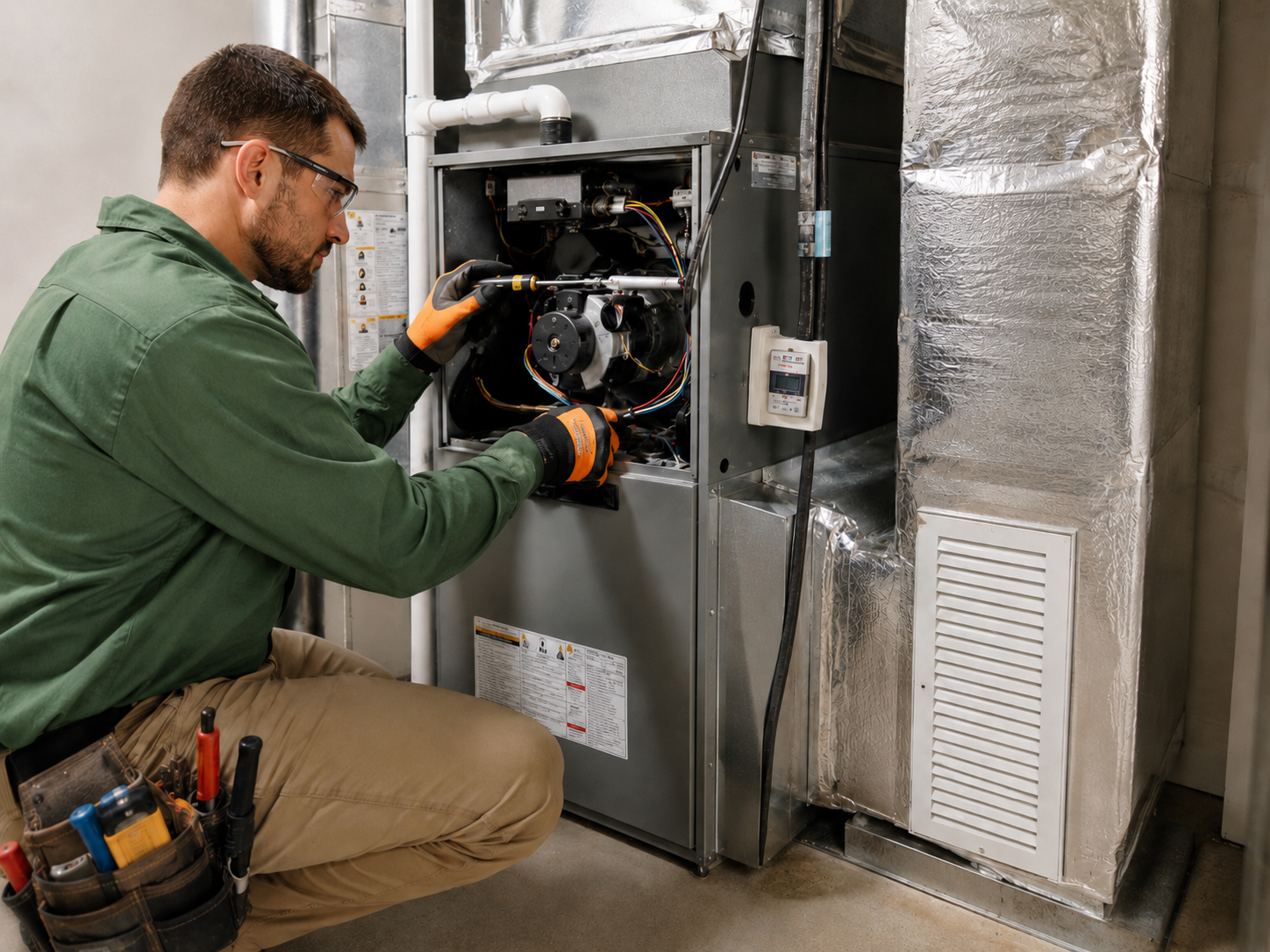
HVAC
Prepare for Entry-Level Work in Heating, Ventilation, and Air Conditioning
Career Pathways :
Graduates will be able to pursue entry-level opportunities with HVAC contractors, facilities departments, property maintenance teams, commercial buildings, residential service companies, or apprenticeship pathways.
Credentials :
Trainings include industry-recognized credentials such as NCCER, OSHA, and Tec Centro-specific certifications, depending on the program track.
Students Learn:
HVAC System Basics
Learn the basic parts and functions of heating, cooling, and ventilation systems.
Tools and Safety
Practice safe use of common HVAC tools, equipment, and workplace safety procedures.
Preventive Maintenance
Understand basic inspection, cleaning, and maintenance practices that help systems operate properly.
Troubleshooting Basics
Learn how to identify common HVAC issues and approach repairs safely and logically.
Electrical and Mechanical Components
Build foundational knowledge of the electrical and mechanical parts used in HVAC systems.
Workplace Readiness
Develop the reliability, communication, and hands-on skills needed for entry-level HVAC roles.
Ready to Build Your Future?
Whether you are interested in plumbing, facilities maintenance, forklift operation, commercial driving, or industrial technology, Tec Centro Berks can help you take the next step.
Speak with a case worker to learn more about program options, enrollment requirements, upcoming classes, and career pathways.
Call Tec Centro Berks at (484) 513-3348 to get started.